Crab paste vs shrimp paste
Crab paste (Filipino taba ng talangka, also called aligue) is rich crab fat and roe. Shrimp paste (bagoong in Filipino, 蝦醬 in Chinese) is salty fermented shrimp. They are different jars with different jobs - not interchangeable.
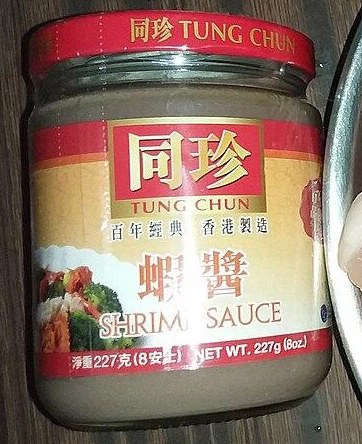
At a glance
- Crab paste: taba ng talangka or aligue - the orange fat (tomalley) and roe of small river crabs, usually sauteed in garlic and sold in jars.
- Shrimp paste: tiny shrimp fermented with salt - bagoong alamang in the Philippines, terasi in Indonesia, belacan in Malaysia, 蝦醬 (haa1 zoeng3) in Hong Kong.
- Both are shellfish - check allergies before cooking for others.
Crab paste (taba ng talangka / aligue)
- Rich, buttery and briny, like a cross between crab roe and sea urchin.
- Used as a condiment over hot rice, or stirred into fried rice and pasta.
- Some jars labelled crab paste are mostly oil and starch - check that crab fat or roe leads the ingredient list.
Shrimp paste (bagoong)
- Salty, pungent and savoury; pink to greyish raw, mellow once cooked.
- Used as a seasoning in stir-fries and stews like pinakbet, or sauteed as a dip for green mango.
- See our shrimp paste page for the Hong Kong jar to look for.
| Crab paste (aligue) | Shrimp paste (bagoong) | |
|---|---|---|
| Made from | Crab fat (tomalley) and roe | Fermented tiny shrimp and salt |
| Taste | Rich, buttery, briny | Salty, pungent, savoury |
| Classic use | Rice topping, fried rice, pasta | Seasoning stews and stir-fries |
| Colour | Orange-red | Pink to grey-brown |
Sources
Facts on this page come from these pages. We have summarised them in our own words.
- Wikipedia: taba ng talangka (crab paste, aligue)
- Panlasang Pinoy: what is bagoong alamang
- Yummy.ph: how to use aligue (crab fat)
Get the weekly plan by email
One short email each week with the new meal plan and shopping list. Nothing else.
Get the weekly plan