Doubanjiang (chilli bean paste)
A salty, savoury red paste that gives mapo tofu its flavour.
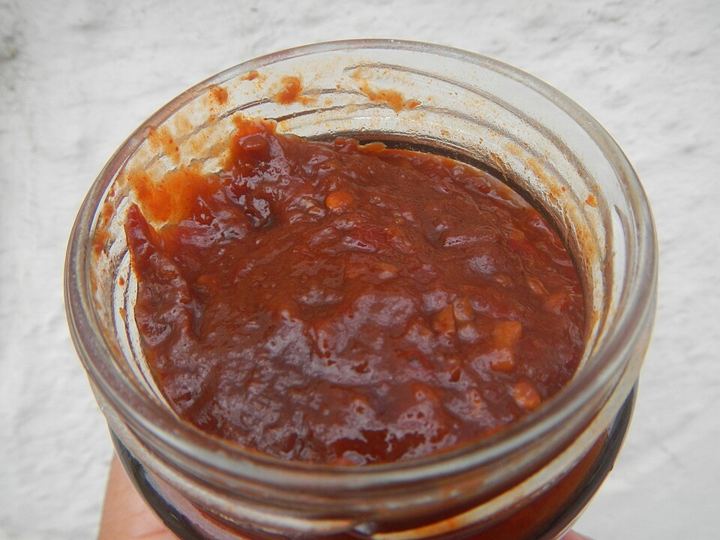
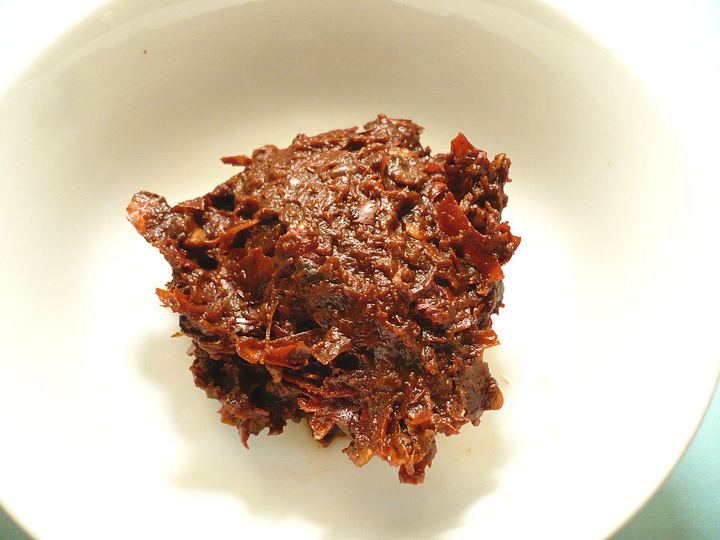
At a glance
- Chinese: 豆瓣醬 (traditional), 豆瓣酱 (simplified)
- Cantonese (Jyutping): dau6 baan6 zoeng3
- Mandarin (pinyin): dòubànjiàng
- Also written on labels: broad bean paste, chilli bean sauce, toban djan, "Pixian douban" (郫縣豆瓣)
What it is
A thick, dark red paste made from fermented broad beans, chilli peppers, salt and usually wheat flour. Some also have a little soybean. The longer it ferments, the deeper the taste. It is more salty and savoury than hot.
How we use it
Fry a spoonful in a little oil first until the oil turns red and smells toasty, then add the other ingredients. It needs heat and oil. It is not a dipping sauce. It is salty, so taste before you add more salt.
Where to find it in Hong Kong
- Lee Kum Kee Chilli Bean Sauce (Toban Djan), 辣豆瓣醬. It is a Hong Kong brand and is sold at city'super's online shop and the Lee Kum Kee Hong Kong online shop.
- Juan Cheng (鵑城) Pixian douban, 郫縣豆瓣醬. This is the Sichuan style that cooks look for. We saw it for sale in a Hong Kong online shop, but we have not checked which shops stock it on the shelf.
- Keep it in the fridge after opening.
Check the label
Contains soy and wheat. Some brands have extra sugar or flavour enhancers, so read it if you have a preference.
Substitutes
- Gochujang plus a little miso or soy sauce. Skip any added sugar. Gochujang is sweeter and smoother, so the dish will be less salty and less deep.
- A mix of miso and a little chilli paste or chilli garlic sauce, if you have no gochujang.
- For a milder dish, use less and add chilli on the side.
- Our mapo tofu already uses doubanjiang with a spoon of miso.
Doubanjiang vs gochujang
| Doubanjiang | Gochujang | |
|---|---|---|
| From | China (Sichuan) | Korea |
| Made from | Fermented broad beans, chilli, salt, flour | Red pepper powder, glutinous rice, fermented soybeans |
| Taste | Salty, savoury, a little funky | Sweeter, thicker, gently spicy |
| Texture | Chunky | Smooth, sticky |
| Use | Fried in oil at the start | Can go in sauces and dips raw |
Swapping one for the other changes the dish. Gochujang in mapo tofu is sweeter and gummier. Doubanjiang in a Korean dish is saltier.
Dishes here that use it
- Mapo tofu (102)
The only dish that uses it today. We will link more as they are added.
Sources
Facts on this page come from these pages. We have summarised them in our own words.
- Fine Dining Lovers: everything you need to know about doubanjiang
- Red House Spice: Sichuan chili bean paste
- Dong An Market: doubanjiang vs gochujang
- Wikipedia: Doubanjiang
- Lee Kum Kee Hong Kong: Chilli Bean Sauce (Toban Djan)
- city'super E-Shop: Lee Kum Kee chilli bean sauce
- Yum Cha Cantonese dictionary: 豆瓣醬
Get the weekly plan by email
One short email each week with the new meal plan and shopping list. Nothing else.
Get the weekly plan